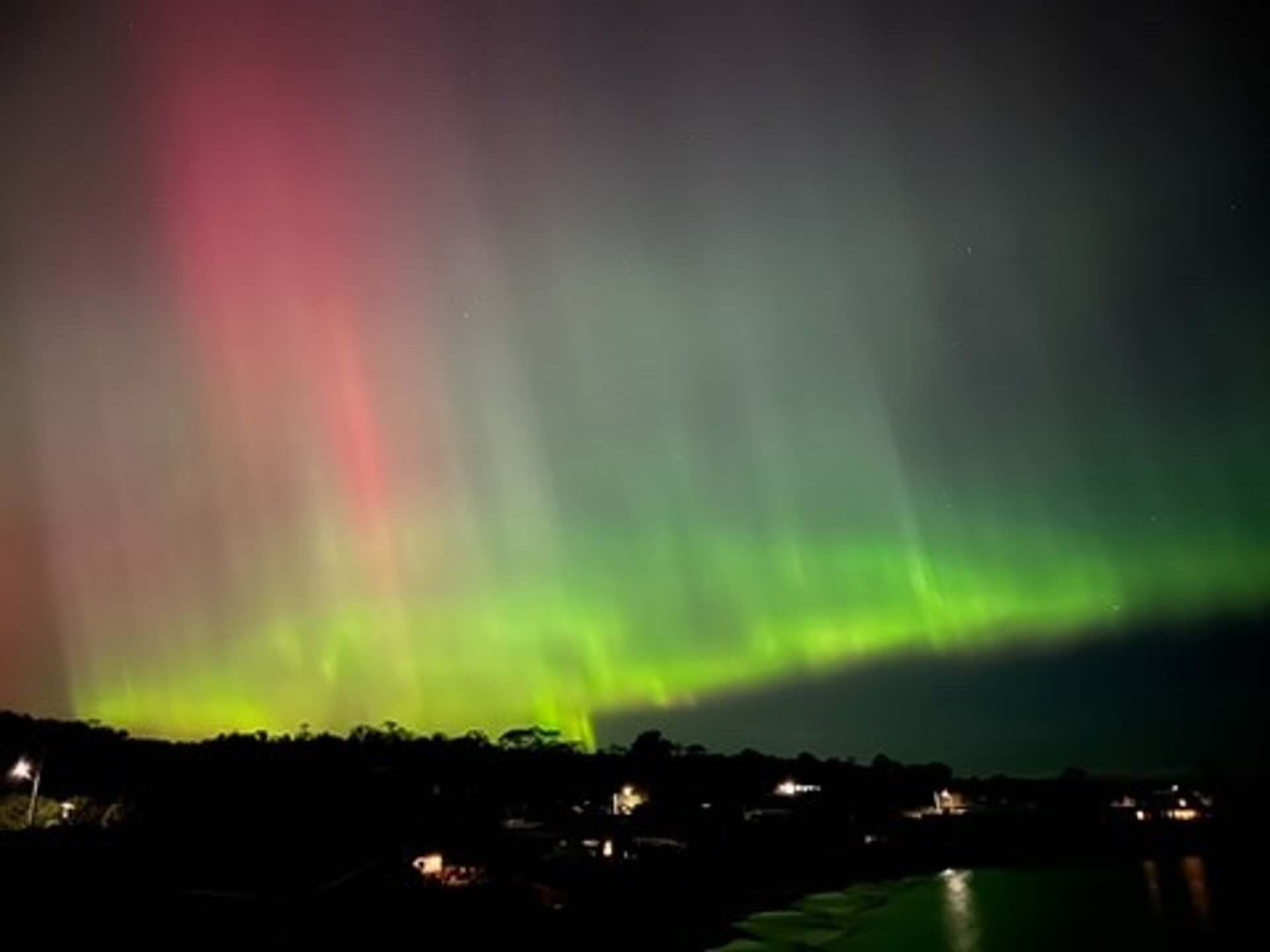
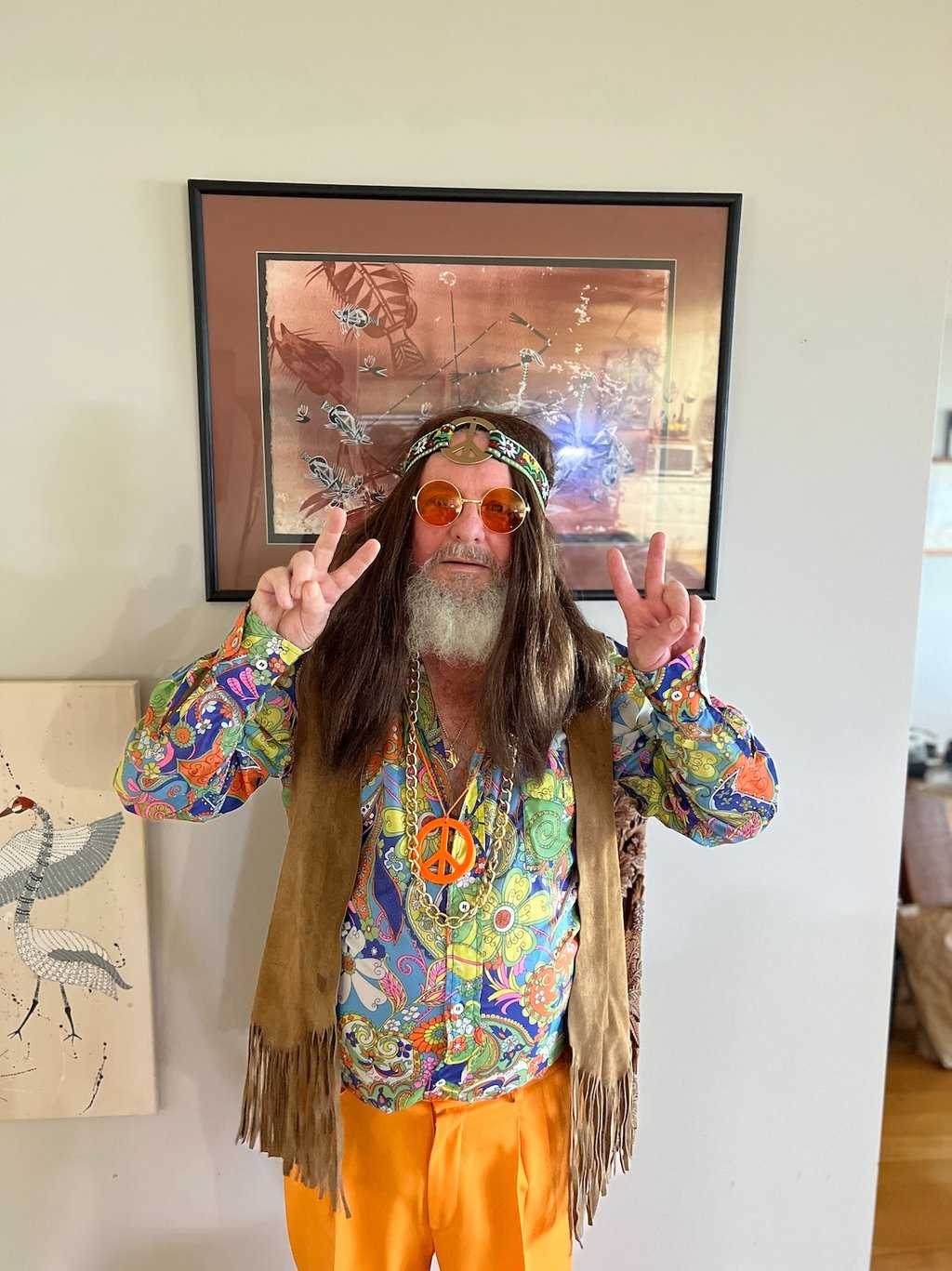
Hi, I’m John from a small coastal village, Opossum Bay in Tasmania Australia. Iphone Photography has been my passion, and focusing on capturing elusive nuyina- Aurora Australia the southern Lights is now one of my biggest interests.
Since 2023 i have been learning how to utilise my personal iPhone 13MaxPro camera to capture photographs, time lapses and screen recordings. I'm not a professional photographer and my aim is to take photo, review, upload all via my iPhone. At times of bright moonlight i may slightly alter the contrast to darken the sky but normally all my photos are unedited
April 2026 i purchased a Tapo C325WB v1 security camera in conjunction with a raspberry Pi5 and Sky Capture app i can live stream and create time lapse of the lower Derwent river southern night sky. I share with Aurora Australis chasers and local community- anyone really, see my link to my YouTube channel, like and or subscribe.
About me



What is nuyina lukim?
"nuyina" (pronounced noy-yee-nah) is the palawa kani word for the Aurora Australis, or Southern Lights. palawa kani is the revived language of Tasmanian Aborigines, the traditional owners of lutruwita (Tasmania).
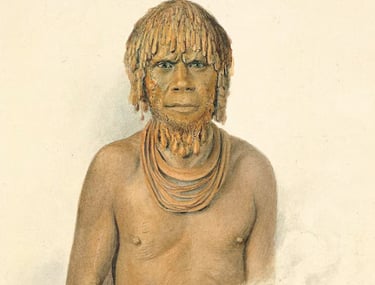
For thousands of years, the Palawa people; my wifes ancestors; trawoolway people from tebrakunna region near Cape Portland, larapuna (Eddystone Point) & wukalina (Mount William) areas, have observed these spectacular celestial displays. The nuyina holds deep cultural and spiritual significance, featuring in oral traditions and stories that connect the people to the sky, the land, and their ancestors.
Today, the word not only honors the enduring heritage of Tasmania's First Nations people but also serves as a beautiful reminder of the ancient, unbroken connection between humanity and the cosmos.
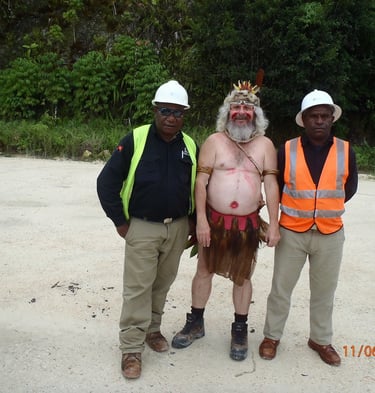
"lukim" is from one of many Papua New Guinea languages; "Tok Pisin", word for see/watch/look at. The correct phrase would be "Mi stap lukim Aurora" I am (right now) watching the Aurora. Over 20+ years i worked in PNG in which had enriched my life.
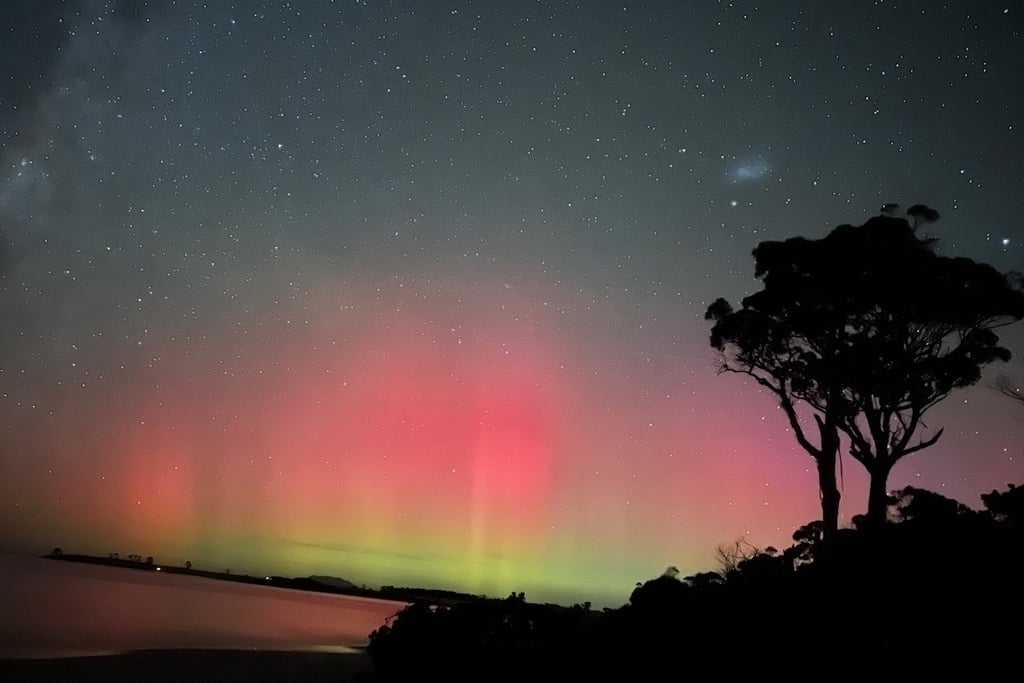
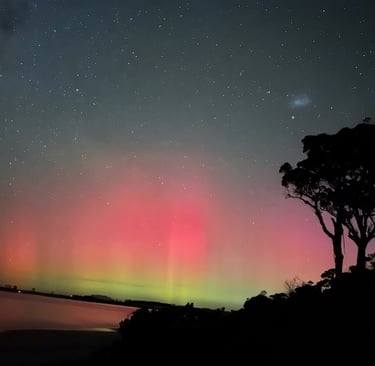
What is nuyina - Aurora Australis?
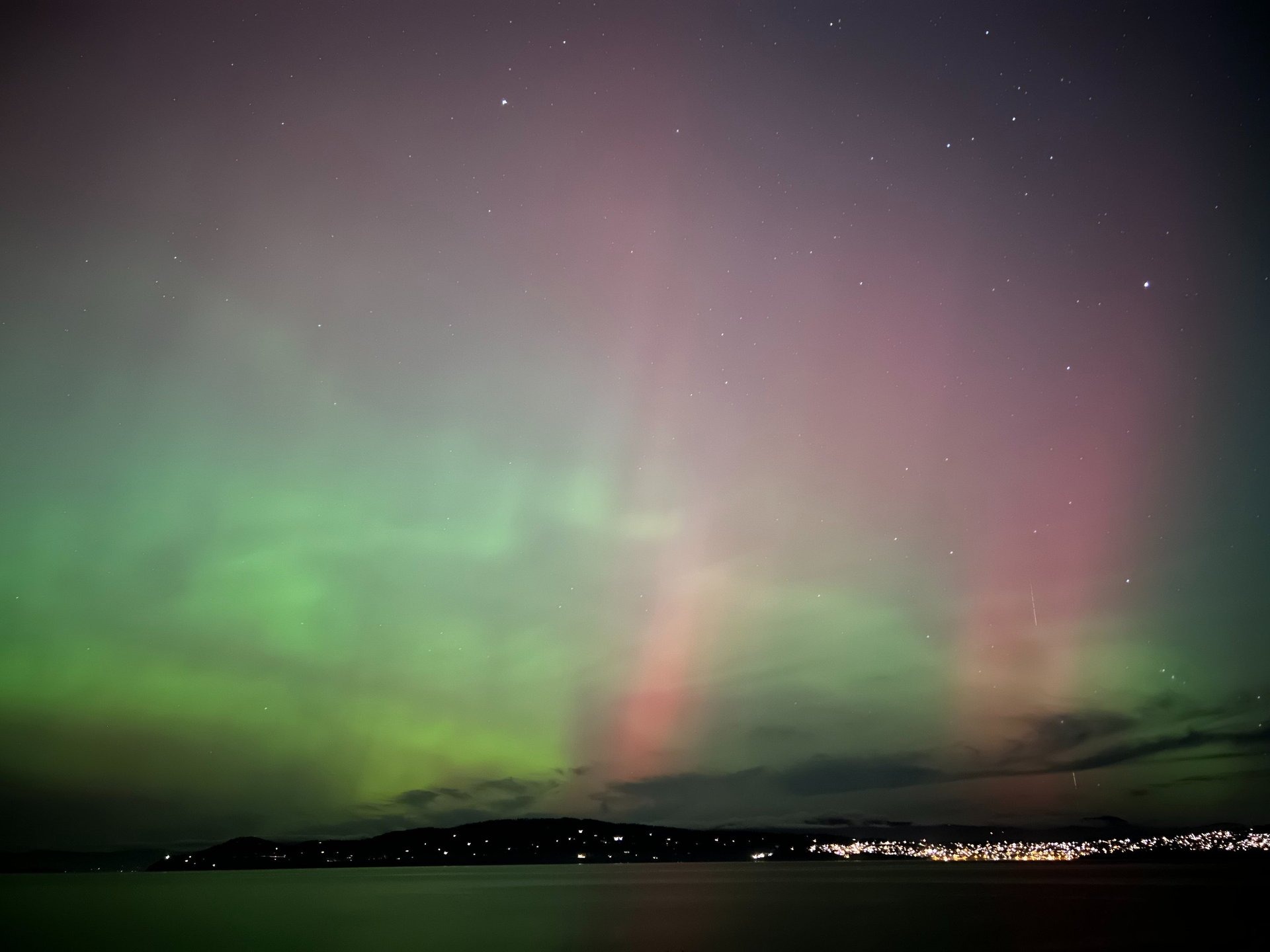
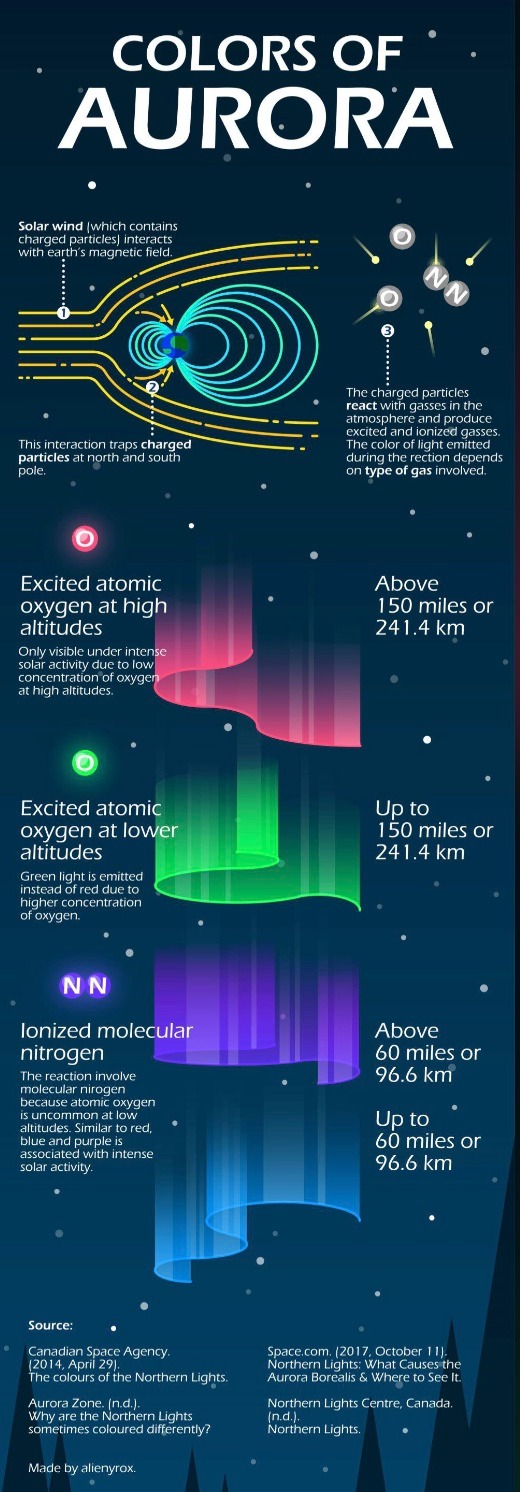
nuyina - Aurora Australis, also known as the Southern Lights, is a natural light display in Earth's southern sky. This mesmerizing phenomenon occurs when charged particles from the Sun collide with gases in Earth's atmosphere, creating brilliant curtains of light that dance across the night sky.
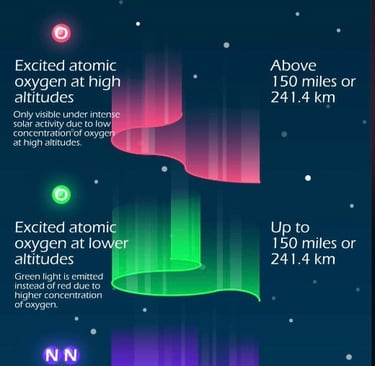
The colors you see depend on which atmospheric gases are being excited. Oxygen produces green and red hues, while nitrogen creates blue and purple tones. The most common color is a pale yellowish-green, produced by oxygen molecules about 97 kilometers above Earth.
Unlike its northern counterpart (Aurora Borealis), nuyina - Aurora Australis is less frequently observed due to the limited landmass in the southern hemisphere. However, when conditions align, the Southern Lights can be just as spectacular, if not more so, than their northern siblings.
When and where to see it
The best locations to witness nuyina - Aurora Australis are in the southern latitudes, particularly anywhere in Tasmania, New Zealand's South Island, southern parts of Australia, and the Antarctic region. The aurora oval typically sits between 65 and 72 degrees south latitude, but during strong geomagnetic storms, it can extend much further north.
The optimal viewing season runs from March to September (autumn and winter in the southern hemisphere) when nights are longest and darkest. The hours around midnight typically offer the best displays, though aurora can appear at any time during darkness.
Key factors for successful viewing include: clear, dark skies away from light pollution; high geomagnetic activity; and being as far south as possible with a clear view of the Southern horizon. Check aurora forecasts and space weather alerts to maximize your chances of witnessing this natural wonder.
Equipment & Techniques
iPhone Photography: Modern iPhones are incredibly capable of capturing the aurora. To get the best results, mount your device on a tripod and use Night Mode. Manually set the exposure time to the maximum (up to 30 seconds). If using third-party camera apps, adjust your ISO to around 800-2000, use a slow shutter speed, and manually focus on the stars to ensure the aurora is sharp.
Tapo Cam: Tapo smart security cameras have become a secret weapon for aurora chasers. Equipped with highly sensitive starlight sensors, these cameras can often detect faint auroral activity before it becomes visible to the naked eye. They are perfect for continuous overnight monitoring and automatically capturing stunning time-lapse videos of the Southern Lights right from your backyard.
How Both Devices Work Together: These two devices create the perfect aurora hunting toolkit. Use your Tapo Cam as an early warning system—monitor its live feed from indoors to spot when the aurora activates. Once the display strengthens, head outside with your tripod-mounted iPhone to capture high-resolution still images and wide-angle shots, while the Tapo Cam continues to record the entire event in a seamless time-lapse.
iPhone Timelapse Apps: Lumilapse is an excellent intervalometer device specifically designed for iPhones that will trigger the iPhone to take continuous 30sec exposures. These still images using Star Stacker helps stack and enhance multiple aurora exposures in to a single star trail or a video format. Finally, CapCut is a powerful video editing app perfect for assembling your stacked images or footage, allowing you to add music, adjust speed and various editing . Together, these three tools provide a complete mobile workflow for stunning aurora videography. All this i perform on my iPhone in a few minutes and upload, so easy to do.